
涂玉青
Yuh-Ching Twu
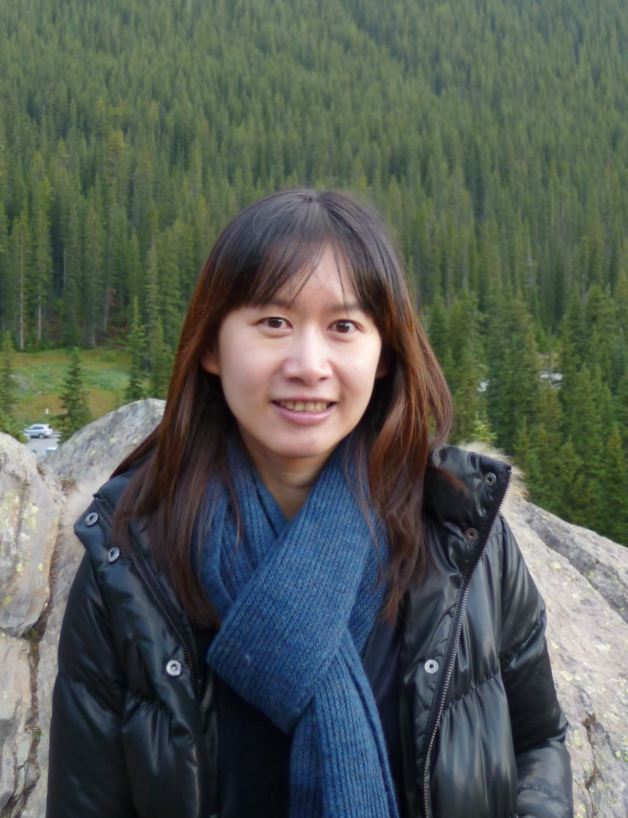
聯絡方式
台北市北投區石牌立農街二段155號 生醫工程館 205室
國立陽明交通大學 醫學生物技術暨檢驗學系
電子郵件: yctwu@nycu.edu.tw
電話: 02-2826-7294 (Office)
02-2826-7000 ext. 65831 (Lab)
學歷
台灣大學 生化科學所 博士 (2003.9~2008.1)
陽明大學 醫學生物技術暨檢驗學研究所 碩士 (1997.9~1999.8)
陽明大學 醫學技術學系 學士 (1993.9~1997.6)
授課科目
血庫學、血液學與臨床血液學、醣質生物學、血液學及血庫學實驗
學歷
台灣大學 生化科學所 博士 (2003.9~2008.1)
陽明大學 醫學生物技術暨檢驗學研究所 碩士 (1997.9~1999.8)
陽明大學 醫學技術學系 學士 (1993.9~1997.6)
經歷
副教授 陽明交通大學 醫學生物技檢驗學系(2017.8~2023.7)
助理教授 陽明大學 醫學生物技檢驗學系(2012.8~2017.7)
博士後研究 Terry Fox Laboratory, BC Cancer Agency, Canada (2011.7~2012.7)
博士後研究 Department of Microbiology and Immunology, University of British Columbia, Canada (2008.11~2011.6)
博士後研究 台灣大學 生化科學所 (2008.2~2008.10)
研究方向
醣化作用(glycosylation)是細胞重要的後轉譯修飾。細胞表面醣分子可透過與醣受體及其他配體互動,調控細胞訊息傳遞、增生、分化、癌化、免疫辨識與免疫監控。腫瘤與白血病細胞常出現腫瘤相關醣類抗原(tumor-associated carbohydrate antigens, TACAs)及異常唾液酸化(hypersialylation),並可能藉由結合免疫細胞上的唾液酸結合免疫球蛋白樣凝集素(sialic acid-binding immunoglobulin-like lectins, Siglecs),削弱免疫細胞的辨識與效應功能,形成免疫逃脫。
本研究團隊以 Siglec-7 為核心,探討細胞表面醣結構、免疫受體訊號、粒線體功能與細胞代謝之間的交互作用,研究主軸包括:
- 細胞表面醣修飾與自然殺手細胞免疫監控
探討腫瘤及白血病細胞的醣鏈、唾液酸化與 Siglec-7 配體如何影響自然殺手細胞(natural killer cells, NK cells)的辨識、去顆粒、細胞毒性及細胞激素分泌。 - Siglec-7 調控 NK 細胞粒線體與代謝
研究 Siglec-7 如何連結粒線體分裂與融合、氧化磷酸化、能量代謝及代謝重編程,進而限制人類 NK 細胞的細胞毒性功能。 - Siglec-7 與巨核細胞生成及血小板生成
探討 Siglec-7 在巨核細胞生成(megakaryopoiesis)與血小板生成(thrombopoiesis)中的表現、功能及其與粒線體動力學的關聯,解析其在巨核細胞分化、血小板生成及血小板功能中的生理作用。 - 造血細胞分化與血液腫瘤
以紅血球生成、巨核細胞分化、白血病細胞及 NK 細胞為研究模型,解析醣鏈修飾、轉錄與表觀遺傳調控、粒線體代謝及免疫效應之間的分子機制。 - 醣類標誌與轉譯應用
發展可用於評估免疫細胞功能、腫瘤免疫逃脫、血液疾病及血小板生物學的醣類與 Siglec-7 相關分子標誌,並探索其在疾病分層、預後評估及免疫治療策略中的應用潛力。
整體研究方向聚焦於「醣化作用—Siglec-7—粒線體—免疫與造血功能」之整合性機制,期望闡明細胞表面醣訊號如何轉化為粒線體與代謝反應,進而調控免疫細胞效應及造血細胞分化。
Research Interests
Glycosylation is an important post-translational modification that regulates a wide range of cellular processes. Cell-surface glycans interact with glycan-binding receptors and other ligands to modulate intracellular signaling, cell proliferation, differentiation, oncogenic transformation, immune recognition, and immune surveillance. Tumor and leukemia cells frequently exhibit tumor-associated carbohydrate antigens (TACAs) and aberrant hypersialylation. Through interactions with sialic acid-binding immunoglobulin-like lectins (Siglecs) expressed on immune cells, these altered glycan structures may attenuate immune recognition and effector functions, thereby contributing to immune evasion.
Our research focuses on Siglec-7 and investigates the interplay among cell-surface glycan structures, immune-receptor signaling, mitochondrial function, and cellular metabolism. Major research areas include:
- Cell-surface glycosylation and natural killer cell immune surveillance
We investigate how glycan structures, sialylation, and Siglec-7 ligands on tumor and leukemia cells regulate natural killer (NK) cell recognition, degranulation, cytotoxicity, and cytokine production. - Siglec-7 regulation of mitochondrial function and metabolism in NK cells
We study how Siglec-7 connects mitochondrial fission and fusion, oxidative phosphorylation, energy metabolism, and metabolic reprogramming to restrain the cytotoxic function of human NK cells. - Siglec-7 in megakaryopoiesis and thrombopoiesis
We investigate the expression and function of Siglec-7 during megakaryopoiesis and thrombopoiesis, with particular emphasis on its relationship with mitochondrial dynamics and its physiological roles in megakaryocytic differentiation, platelet production, and platelet function. - Hematopoietic differentiation and hematological malignancies
Using models of erythropoiesis, megakaryocytic differentiation, leukemia, and NK-cell biology, we examine the molecular mechanisms linking glycan remodeling, transcriptional and epigenetic regulation, mitochondrial metabolism, and immune effector functions. - Glycan-related biomarkers and translational applications
We aim to identify glycan- and Siglec-7-related molecular biomarkers for evaluating immune-cell function, tumor immune evasion, hematological disorders, and platelet biology, and to explore their potential applications in disease stratification, prognostic assessment, and immunotherapeutic development.
Overall, our research centers on the integrated glycan–Siglec-7–mitochondria–immune and hematopoietic function axis. We seek to clarify how cell-surface glycan signals are translated into mitochondrial and metabolic responses that regulate immune-cell effector functions and hematopoietic-cell differentiation.
研究著作
- Su SC, Tsao NT, Wang TL, Shih YC, Twu YC. Siglec-7 orchestrates mitochondrial dynamics and metabolic reprogramming to restrain human NK cell cytotoxic function. Journal of Biological Chemistry. Published online September 8, 2026. Article 113543. doi: 10.1016/j.jbc.2026.113543.
- Lin SM, Wu S, Yu LC, Twu YC. Siglec-7 links mitochondrial dynamics to megakaryocytic differentiation. Stem Cells and Development. 2026;35(5–6):103–109. Published online February 16, 2026. doi: 10.1177/15473287261423853.
- Lin SM, Yen HS, Lin YH, Twu YC. DNA methylation inhibition modulates Siglec-7 and surface receptors expression to boost NK cytotoxicity. Journal of Biomedical & Laboratory Sciences. 2026;38(4).
- Lin SM, Yen HS, Lin YH, Twu YC. IL-12/15/18 enhanced NK cytotoxicity likely via downregulated Siglec-7 in NK-92MI-S cells. Journal of Biomedical & Laboratory Sciences. 2026;38(4).
- Teng HW, Huang HY, Lin CC, Twu YC, Yang WH, Lin WC, Lan HY, Lin YY, Hwang WL. CT45A1-mediated MLC2 (MYL9) phosphorylation promotes natural killer cell resistance and outer cell fate in a cell-in-cell structure, potentiating the progression of microsatellite instability-high colorectal cancer. Molecular Oncology. 2025;19(2):430–451.
- Wu IW, Chang LC, Wu YL, Yang HY, Twu YC, Tsai PY, Paulus S, Resnick R, Chung WH, Yang CW, Hsieh WP, Su SC. Gut flora metagenomic analysis coupled with metabolic and deep immune profiling in chronic kidney disease. Nephrology Dialysis Transplantation. 2024;39(8):1333–1343.
- Huang YF, Su SC, Chuang HY, Chen HH, Twu YC. Histone deacetylation-regulated cell surface Siglec-7 expression promoted megakaryocytic maturation and enhanced platelet-like particle release. Journal of Thrombosis and Haemostasis. 2023;21:329–343.
- 林媽利(總校閱)、朱正中、朱芳業、李俊億、余榮熾、何國維、林冠州、林惠淑、林尊湄、洪英聖、孫建峰、涂玉青、張小琳、張志昇、張建國、張鳳娟、陳定平、陳淑惠、陳瀅如、程仁偉、黃仰仰、楊孟樺、楊國梁、萬祥麟、葉庭吉、詹詠絮、劉大智、黎蕾、闕宗熙、羅仕錡。《輸血醫學》第六版。五南出版社;2023。
- Yeh YL, Tsao NT, Twu YC. Siglec-7 status modulates memory-like cytotoxicity in leukemia-primed human natural killer cells. Journal of Biomedical & Laboratory Sciences. 2023;35:56–63.
- Liao YJ, Lee CY, Twu YC, Suk FM, Lai TC, Chang YC, Lai YC, Yuan JW, Jhuang HM, Jian HR, Huang LC, Chen KP, Hsu MH. Isolation and biological evaluation of alfa-mangostin as potential therapeutic agents against liver fibrosis. Bioengineering. 2023;10(9):1075. doi: 10.3390/bioengineering10091075
- Lin WC, Lin CC, Lin YY, Yang WH, Twu YC, Teng HW, Hwang WL. Molecular actions of exosomes and their theragnostic in colorectal cancer: current findings and limitation. Cellular Oncology. 2022;45:1043–1052.
- Wu IW, Wu YL, Yang HY, Hsu CK, Chang LC, Twu YC, Chang YL, Chung WH, Yang CW, Hsieh WP, Su SC. Deep immune profiling of patients with renal impairment unveils distinct immunophenotypes associated with disease severity. Clinical Kidney Journal. 2022.
- Wu YX, Lu HF, Lin YH, Chuang HY, Su SC, Liao YJ, Twu YC. Branched I antigen regulated cell susceptibility against natural killer cell cytotoxicity through its N-linked glycosylation and overall expression. Glycobiology. 2021;31:624–635.
- 余榮熾、王昌玲、朱正中、朱志芬、朱芳業、何國維、林冠州、林媽利、涂玉青、張小琳、張鳳娟、陳定平、陳冀寬、陳瀅如、陸中衡、黃仰仰、楊孟樺、萬祥麟、詹詠絮、蔡欣怡、黎蕾、羅仕錡。《輸血醫學》第五版。五南出版社;2021。
- Lee CY, Suk FM, Twu YC, Liao YJ. Long-term exposure to low-dose di-(2-ethylhexyl) phthalate impairs cholesterol metabolism in hepatic stellate cells and exacerbates liver fibrosis. International Journal of Environmental Research and Public Health. 2020;17:3802.
- Huang HT, Su SC, Chiou TJ, Lin YH, Shih YJ, Wu YX, Fan TH, Twu YC. DNA methylation-mediated Siglec-7 regulation in natural killer cells via two 5′ promoter CpG sites. Immunology. 2020;160:38–51.
- Wang YH, Liu CL, Chiu WC, Twu YC, Hsu MH, Liao YJ. Antifibrotic effects of a barbituric acid derivative on liver fibrosis by blocking the NF-κB signaling pathway in hepatic stellate cells. Frontiers in Pharmacology. 2020;11:388.
- Wang YH, Suk FM, Liu CL, Chen TL, Twu YC, Hsu MH, Liao YJ. HMGCS2 mediates ketone production and regulates the proliferation and metastasis of hepatocellular carcinoma. Cancers. 2019;11:1876.
- Huang CH, Liao YJ, Chiou TJ, Huang HT, Lin YH, Twu YC. TGF-β regulated leukemia cell susceptibility against NK targeting through the down-regulation of CD48 expression. Immunobiology. 2019;224:649–658.
- Wang YH, Twu YC, Wang CK, Lin FZ, Lee CY, Liao YJ. Niemann-Pick type C2 protein regulates free cholesterol accumulation and influences hepatic stellate cell proliferation and mitochondrial respiration function. International Journal of Molecular Sciences. 2018;19.
- Yeh CC, Chang CJ, Twu YC, Chu CC, Liu BS, Huang JT, Hung ST, Chan YS, Tsai YJ, Lin SW, Lin M, Yu LC. The molecular genetic background leading to formation of the human erythroid-specific Xga/CD99 blood groups. Blood Advances. 2018;2:1854–1864.
- Huang CH, Liao YJ, Fan TH, Chiou TJ, Lin YH, Twu YC. A developed NK-92MI cell line with Siglec-7neg phenotype exhibits high and sustainable cytotoxicity against leukemia cells. International Journal of Molecular Sciences. 2018;19.
- Yeh CC, Chang CJ, Twu YC, Hung ST, Tsai YJ, Liao JC, Huang JT, Kao YH, Lin SW, Yu LC. The differential expression of the blood group P1-A4GALT and P2-A4GALT alleles is stimulated by the transcription factor early growth response 1. Transfusion. 2018;58:1054–1064.
- Lee YH, Liao YJ, Huang CH, Chang FL, Fan TH, Twu YC. Branched I antigens on leukemia cells enhanced sensitivity against NK cytotoxicity through affecting the target-effector interaction. Transfusion. 2017;57:1040–1051.
- Hsu MH, Hsu SM, Kuo YC, Liu CY, Hsieh CY, Twu YC, Wang CK, Wang YH, Liao YJ. Treatment with low-dose sorafenib in combination with a novel benzimidazole derivative bearing a pyrrolidine side chain provides synergistic anti-proliferative effects against human liver cancer. RSC Advances. 2017;7:16253–16263.
- Liao YJ, Lee YH, Chang FL, Ho H, Huang CH, Twu YC. The SHP-2–ERK2 signaling pathway regulates branched I antigen formation by controlling the binding of C/EBPα to the IGnTC promoter region during erythroid differentiation. Transfusion. 2016;56:2691–2702.
- Liao YJ, Lee TS, Twu YC, Hsu SM, Yang CP, Wang CK, Liang YC, Chen YM. Glycine N-methyltransferase deficiency in female mice impairs insulin signaling and promotes gluconeogenesis by modulating the PI3K/Akt pathway in the liver. Journal of Biomedical Science. 2016;23:69.
- Twu YC, Lee TS, Lin YL, Hsu SM, Wang YH, Liao CY, Wang CK, Liang YC, Liao YJ. Niemann-Pick type C2 protein mediates hepatic stellate cell activation by regulating free cholesterol accumulation. International Journal of Molecular Sciences. 2016;17:1–12.
- Twu YC, Teh HS. The ThPOK transcription factor differentially affects the development and function of self-specific CD8+ T cells and regulatory CD4+ T cells. Immunology. 2014;141:431–445.
- Twu YC, Gold MR, Teh HS. TNFR1 delivers pro-survival signals that are required for limiting TNFR2-dependent activation-induced cell death (AICD) in CD8+ T cells. European Journal of Immunology. 2011;41:335–344.
- Twu YC, Hsieh CY, Lin M, Tzeng CH, Sun CF, Yu LC. Phosphorylation status of transcription factor C/EBPα determines cell-surface poly-LacNAc branching (I antigen) formation in erythropoiesis and granulopoiesis. Blood. 2010;115:2491–2499.
- Wang HR, Hsieh CY, Twu YC, Yu LC. Expression of the human Sd(a) β-1,4-N-acetylgalactosaminyltransferase II gene is dependent on the promoter methylation status. Glycobiology. 2008;18:104–113.
- Twu YC, Chen CP, Hsieh CY, Tzeng CH, Sun CF, Wang SH, Chang MS, Yu LC. I branching formation in erythroid differentiation is regulated by transcription factor C/EBPα. Blood. 2007;110:4526–4534.
- Twu YC, Hsieh CY, Yu LC. Expression of the histo-blood group B gene predominates in AB-genotype cells. Transfusion. 2006;46:1988–1996.
- Lin M, Hou MJ, Twu YC, Yu LC. A novel A allele with 664G>A mutation identified in a family with the Am phenotype. Transfusion. 2005;45:63–69.
- Yu LC, Twu YC, Chou ML, Reid ME, Gray AR, Moulds JM, Chang CY, Lin M. The molecular genetics of the human I locus and molecular background explain the partial association of the adult i phenotype with congenital cataracts. Blood. 2003;101:2081–2088.
- Twu YC, Chou ML, Yu LC. The molecular genetics of the mouse I β-1,6-N-acetylglucosaminyltransferase locus. Biochemical and Biophysical Research Communications. 2003;303:868–876.
- Sun CF, Yu LC, Chen IP, Chou DL, Twu YC, Wang WT, Lin M. Molecular genetic analysis for the Ae1 and A3 alleles. Transfusion. 2003;43:1138–1144.
- Yu LC, Twu YC, Chou ML, Chang CY, Wu CY, Lin M. Molecular genetic analysis for the B(3) allele. Blood. 2002;100:1490–1492.
- Yu LC, Twu YC, Chang CY, Lin M. Molecular basis of the Kell-null phenotype: a mutation at the splice site of human KEL gene abolishes the expression of Kell blood group antigens. Journal of Biological Chemistry. 2001;276:10247–10252.
- Yu LC, Twu YC, Chang CY, Lin M. Molecular basis of the adult i phenotype and the gene responsible for the expression of the human blood group I antigen. Blood. 2001;98:3840–3845.
- Yu LC, Chu CC, Chan YS, Chang CY, Twu YC, Lee HL, Lin M. Polymorphism and distribution of the Secretor α(1,2)-fucosyltransferase gene in various Taiwanese populations. Transfusion. 2001;41:1279–1284.
- Yu LC, Chang CY, Twu YC, Lin M. Human histo-blood group ABO glycosyltransferase genes: different enhancer structures with different transcriptional activities. Biochemical and Biophysical Research Communications. 2000;273:459–466.
- Hsu HY, Twu YC. Tumor necrosis factor-α-mediated protein kinases in regulation of scavenger receptor and foam cell formation on macrophage. Journal of Biological Chemistry. 2000;275:41035–41048.